What Is a Non-Fungible Token? The Simple Explanation
A plain-language explanation of what a non-fungible token is, what non-fungible actually means, how an NFT works, and the main reasons NFTs exist and what they are used for in 2026.
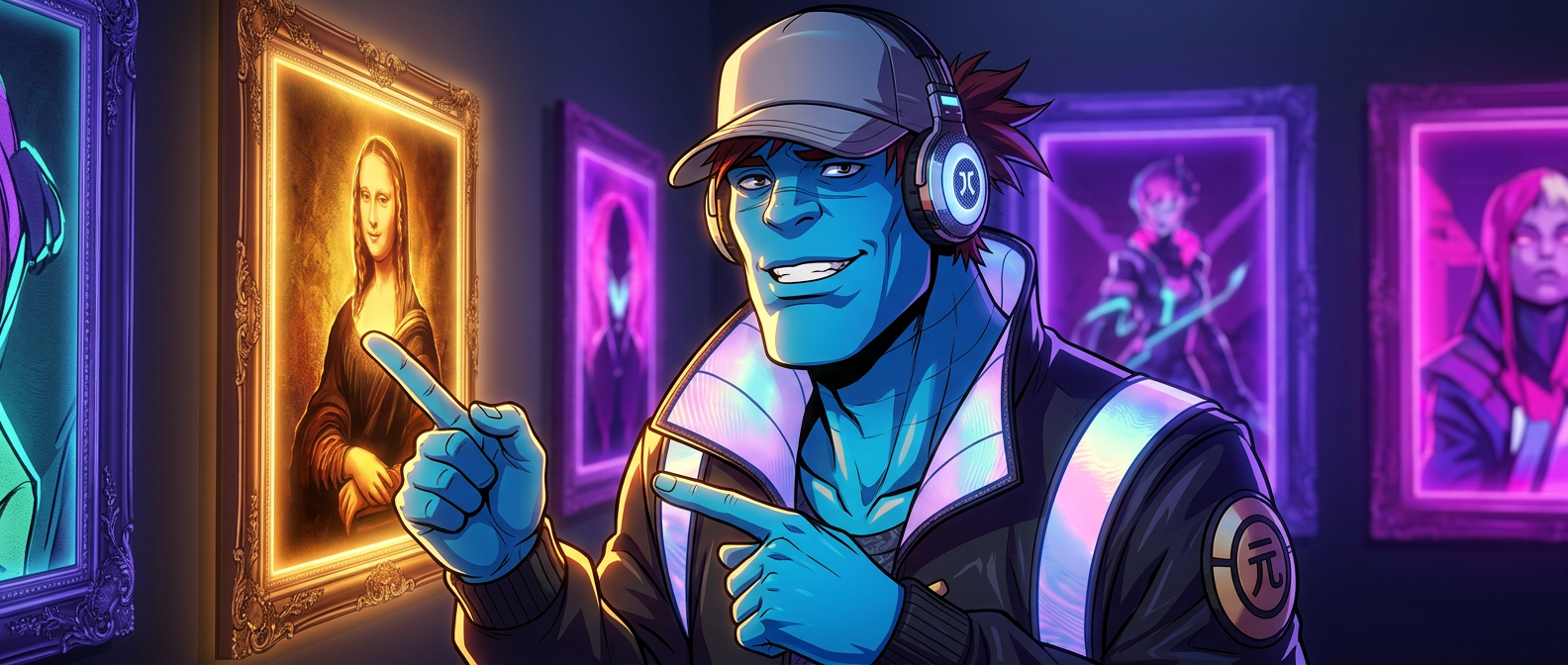
Non-fungible token is one of the most misunderstood terms in technology, despite having a meaning that becomes completely clear the moment the two words are broken apart and explained in plain terms. Most confusion about NFTs comes not from the technology but from the word itself, and understanding what non-fungible means in everyday language makes the entire concept straightforward. This guide covers what non-fungible actually means and how to recognize it in the real world, a simple definition of an NFT, how one works in everyday terms without technical jargon, and the main reasons NFTs exist and what they are used for.
What "Non-Fungible" Really Means
Fungible means interchangeable. A dollar bill is fungible because any dollar bill is equal to any other, and swapping one for another changes nothing about what you hold.
Non-fungible means unique and not interchangeable. A specific house is non-fungible because no two houses are identical, and swapping one for another gives you something entirely different.
Common fungible things include paper money, gold measured by weight, and cryptocurrencies like Bitcoin or Ether. One unit is always worth the same as another unit of the same type.
Common non-fungible things include a specific painting, a concert ticket with a named seat, or a passport. None of these can be swapped for another without changing what you have.
The key distinction is whether one unit can be replaced by another without any loss. If yes, it is fungible. If the specific item matters, it is non-fungible.
Before NFTs, all digital files were functionally fungible. Any copy of an image was identical to any other, with no way to establish which was the original or assign unique ownership to one specific version.
NFTs apply the concept of non-fungibility to digital items for the first time. Each token has a unique identifier on the blockchain that no other token can share, making the specific token matter in a way that a copied file never could.
Our guide on what an NFT is and how it works expands on this foundation with a full explanation of ownership, token standards, and what a buyer actually receives when an NFT transaction is confirmed.
A Simple Definition of an NFT
A non-fungible token is a unique digital record stored on a blockchain that proves ownership of a specific item. The token is the ownership record, not the item itself.
Each NFT has a unique token ID that distinguishes it from every other token in existence, including other tokens from the same collection.
The blockchain is a public, permanent ledger that anyone can read at any time. When an NFT changes hands, the transfer is recorded on that ledger and cannot be altered or deleted.
NFTs can represent almost anything: digital artwork, music, video clips, game items, domain names, or membership passes. The token is simply the ownership record for whatever the creator chose to attach to it.
What makes any token non-fungible is that no two are identical. Even if two NFTs look visually similar, their token IDs, metadata, and ownership histories are always distinct.
ERC-721 is the most common token standard for individual NFTs on Ethereum. ERC-1155 is a second standard that supports both unique and limited-edition tokens within a single contract.
Jirasan is an NFT collection on Ethereum where each token has a unique ID, a unique set of traits, and an ownership record that any wallet can verify on-chain at any time.
Our guide on what Ethereum is and how it works explains the blockchain that powers Jirasan and the majority of major NFT collections in 2026.
How an NFT Works in Everyday Terms
When a creator mints an NFT, they publish a new token to the blockchain. That token is assigned a permanent unique ID and stored in the smart contract for that collection.
The token contains metadata: a name, a description, and a link to the media file. The media file usually lives on a decentralized storage network like IPFS rather than inside the token itself.
When someone buys the NFT, the blockchain records the transfer of that specific token from the seller's wallet address to the buyer's wallet address. This record is permanent and publicly visible to anyone.
Anyone can verify who currently owns any NFT by looking up the contract address and token ID on a block explorer. No one needs to ask the owner to prove ownership, because the blockchain does it automatically.
The buyer receives the ownership record, not the file. The file may still be viewable by anyone, but only the wallet holding the token is recognized as the verified owner by marketplaces, platforms, and smart contracts.
Ownership is tied to the wallet, not to a username or account. Whoever controls the private key to that wallet controls the NFT.
Buying a Jirasan NFT means that specific token ID is now associated with the buyer's wallet address on Ethereum. Connecting that wallet to the Jirafam Hub grants holder-exclusive access automatically, because the blockchain confirms ownership without any manual verification required.
Our guide on what minting an NFT means step by step covers exactly how a token is created on the blockchain, what happens during the mint transaction, and what the resulting ownership record looks like.
Why NFTs Exist and What They Are Used For
Digital files had no concept of original ownership before blockchain. Any copy was identical to any other, making digital scarcity impossible and giving creators no way to sell a verifiable original.
NFTs solve the scarcity problem by creating a unique ownership record that cannot be duplicated. Two people can view the same image, but only one wallet holds the token the blockchain recognizes as the verified ownership position.
Digital art was the use case that brought NFTs to global attention. Artists can sell verifiable originals of digital works and earn royalties on every future resale automatically through on-chain royalty enforcement.
Collectable and profile picture collections like CryptoPunks and Bored Ape Yacht Club became some of the most actively traded NFTs in history. Holders use them as social identity markers and signals of community membership.
In gaming, NFTs let players own in-game items with verifiable on-chain proof. Items can be sold, traded, or used in any platform that recognizes the same token standard.
Musicians and filmmakers sell songs, albums, and video clips as NFTs, giving buyers a verifiable ownership position and giving creators a royalty stream on every secondary sale.
NFTs also function as programmable membership passes. Any platform that connects to the blockchain can check whether a wallet holds a specific token and grant or restrict access based on that result.
NFT tickets prevent counterfeiting, make resale markets transparent, and allow event organizers to earn royalties on secondary sales rather than losing that value to scalpers.
Jirasan NFTs grant access to the Jirafam Hub, making holder status a functional key to exclusive features rather than a purely visual collectable.
Our guide on where to buy and sell NFTs in 2026 covers the leading platforms where non-fungible tokens are traded, how their fees compare, and how to choose the right marketplace for any collection.
Conclusion
A non-fungible token is a simple and logical concept once the word is separated from the technical reputation that surrounds it, because all it describes is a unique digital ownership record that no one else can hold at the same time. This guide covered what non-fungible means in plain language and how it differs from fungible items, a simple definition of an NFT as a unique on-chain ownership record rather than the media file it represents, how the token works from minting through to transfer in everyday terms, and the primary uses of NFTs from digital art to gaming, memberships, and ticketing. To take the next step and buy your first NFT, our guide on how to buy NFTs step by step for first-time buyers covers every step from wallet setup to confirmed on-chain ownership.
Read Next
- What Is an NFT? Simple Explanation for Beginners
- What Is Minting an NFT? Meaning and Step-by-Step Basics
- How NFT Marketplaces Work: A Beginner's Guide
FAQ:
What is a non-fungible token?
A non-fungible token is a unique digital record stored on a blockchain that proves ownership of a specific item, with a token ID that no other token can share and an ownership history that is permanently visible to anyone.
What is the difference between a fungible and a non-fungible token?
The difference between a fungible and a non-fungible token is that a fungible token like Bitcoin is interchangeable with any other unit of the same type, while a non-fungible token has a unique identifier that makes it impossible to replace with any other token.
What is the difference between an NFT and a regular digital file?
The difference between an NFT and a regular digital file is that a regular digital file can be copied with no way to identify the original, while an NFT is a unique on-chain record that establishes one specific wallet as the verified owner.
What is the difference between a non-fungible token and a cryptocurrency like Bitcoin?
The difference between a non-fungible token and a cryptocurrency like Bitcoin is that Bitcoin is fungible and every unit equals every other unit, while an NFT has a unique ID that makes each token distinct and non-interchangeable.
What is the difference between the NFT and the artwork or media it represents?
The difference between the NFT and the artwork or media it represents is that the NFT is the on-chain ownership record stored permanently on the blockchain, while the media file is the content the token points to, which can often be viewed by anyone regardless of who holds the token.
What is the difference between minting an NFT and buying one?
The difference between minting an NFT and buying one is that minting creates the token on the blockchain for the first time as a primary sale from the creator, while buying purchases an already-existing token from its current holder on the secondary market.
What is the difference between an NFT on Ethereum and an NFT on Solana?
The difference between an NFT on Ethereum and an NFT on Solana is that they use different blockchains with different token standards, wallets, and transaction costs, and a token on one chain cannot be used on the other without a bridging process.
What is the difference between owning an NFT and owning the copyright to the content?
The difference between owning an NFT and owning the copyright to the content is that owning the NFT gives the holder verified on-chain ownership of that specific token, while the copyright stays with the original creator unless it is explicitly transferred.
What is the difference between an NFT collection and a single NFT?
The difference between an NFT collection and a single NFT is that a collection is a set of tokens deployed under the same smart contract with shared traits and a common theme, while a single NFT is one individual token with its own unique ID and ownership record.
What are non-fungible tokens used for?
Non-fungible tokens are used for digital art, collectables, gaming items, music, event tickets, membership passes, and any application where verifiable unique ownership of a digital item needs to be established and traded on a public blockchain.