What Is an NFT? Simple Explanation for Beginners
An NFT is a unique digital token on the blockchain that proves ownership of a digital asset. This beginner-friendly guide explains what NFTs are, how they work, and why they still matter in 2026.
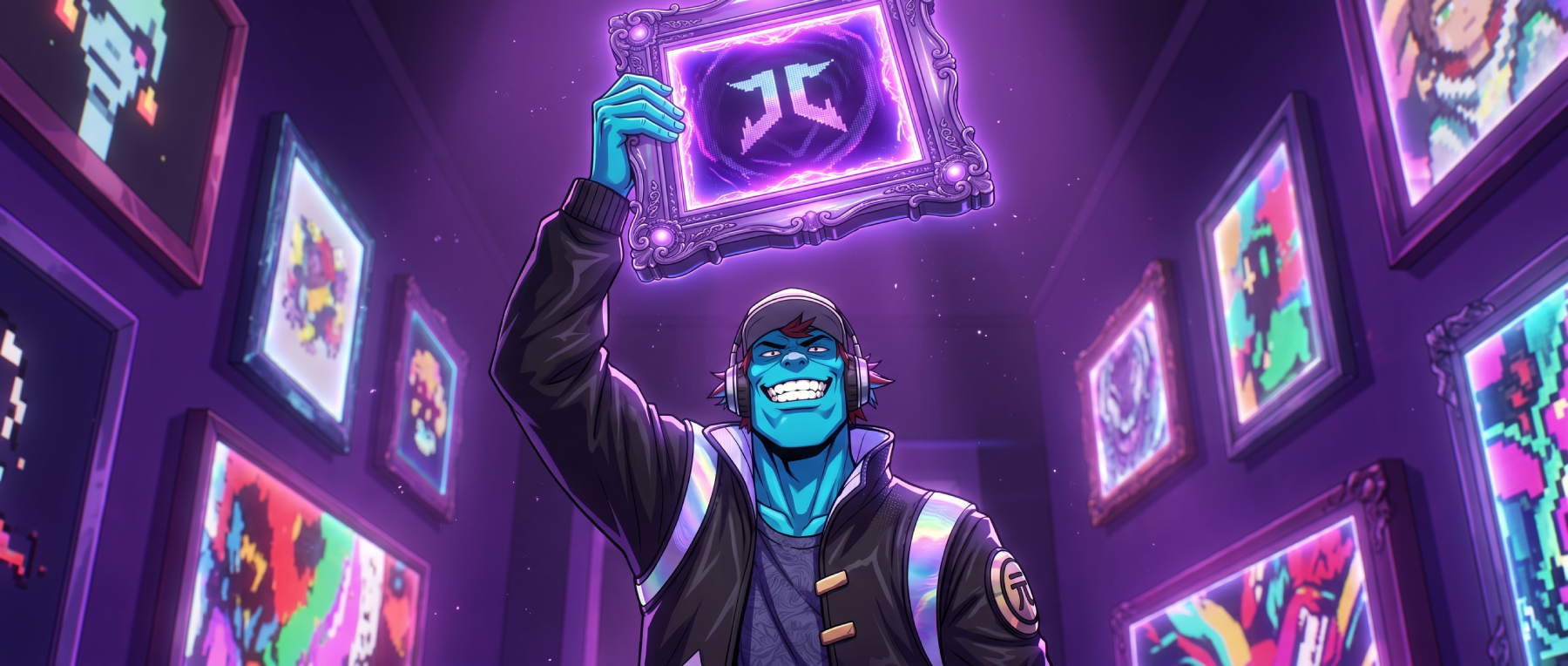
A plain-English guide to what NFTs are, how they work, real-world examples, and an honest look at why they matter in 2026.
NFTs are one of the most talked-about technologies of the last decade, and also one of the most misunderstood. The concept sounds complicated, but at its core it is simpler than most people think.
An NFT is a unique digital token stored on a blockchain that gives someone verifiable proof of ownership over a digital asset. That asset could be a piece of art, a game item, a community membership, or anything else a creator chooses to attach to it.
This guide explains what NFTs are, how they work in plain English, real-world examples beginners will recognise, and an honest look at the pros and cons.
What NFT Actually Stands For and Why It Matters
NFT stands for non-fungible token. Each word in that phrase carries specific meaning that helps explain what the technology actually does.
Fungible means identical and interchangeable. A ten-dollar bill is fungible because swapping it for another ten-dollar bill leaves you with the exact same thing.
Non-fungible means the opposite: unique and not interchangeable on equal terms. A signed original painting is non-fungible because there is only one, and swapping it for a different painting changes what you have entirely.
A token, in a blockchain context, is a unit of data recorded on a digital ledger. It is not a physical coin or a file. It is a digital record that represents ownership of something specific.
The non-fungible part is what makes NFTs genuinely new. For the first time, a digital item can have provable, one-of-a-kind ownership that anyone can verify.
For a deeper breakdown of the acronym and what each word means, read our full guide on what NFT stands for.
How NFTs Work: A Super Simple Explanation
NFTs live on a blockchain. A blockchain is a public digital ledger that records ownership and transactions in a way that cannot be changed or deleted.
Ethereum is the most widely used blockchain for NFTs. The majority of major collections are built on it.
When an NFT is created, it is "minted" onto the blockchain. Minting is the process of publishing a new token and recording its ownership for the first time.
Smart contracts are self-executing pieces of code that live on the blockchain. They handle the rules of an NFT automatically, including ownership transfers and any royalties the creator earns on future resales.
Owning an NFT does not mean owning the image or file it points to. What you own is the token on the blockchain, which is the verified record of ownership.
Think of it like a deed to a house. The deed proves you own the property, but the house itself exists separately from the document.
Our complete beginner's guide to NFTs covers how to buy, store, and evaluate them in 2026 if you want to go further.
Everyday Examples of NFTs (That Even Beginners Will Recognize)
NFTs cover a wide range of digital assets. The examples below are some of the most recognised formats in the space today.
Digital art was the use case that first brought NFTs to mainstream attention. Artists sell original works directly to collectors, with authenticity and ownership recorded permanently on the blockchain.
PFP, or profile picture, collections are one of the most popular NFT formats. Each piece is a unique character that holders use as their identity marker across X, Discord, and other web3 platforms.
Jirasan is a strong example of this. It is a 10,000-piece cyberpunk PFP collection on Ethereum, where each piece also serves as a membership into the Jirafam, an active global community of collectors and builders.
In blockchain gaming, NFTs represent items like weapons, skins, and characters that players truly own. Unlike traditional in-game items, these can be traded or sold freely outside the game itself.
Utility NFTs function as digital keys that unlock access to events, communities, or exclusive content. This category has grown steadily as projects focus on providing real, ongoing value to holders rather than speculation.
Why People Care About NFTs (Pros, Cons, and Real Talk)
NFTs attracted massive attention for a real reason. They introduced a genuinely new idea: provable ownership of digital things.
For creators, NFTs opened a direct line to collectors without galleries, platforms, or intermediaries taking a cut. Smart contracts also let creators earn royalties automatically every time their work resells.
For collectors, NFTs offer ownership of something unique that can be bought, sold, and held like any other asset. Some collections also come with real community access and ongoing benefits for holders.
The downsides are real and worth knowing upfront. The market has been extremely volatile, the majority of projects have lost all their value, and scams are widespread throughout the space.
The 2021 boom ended in a sharp crash. Volumes fell by over 90 percent and most projects went to zero.
What survived are the projects with genuine communities and honest teams. Jirasan is one example of a project that kept building through the downturn and maintained an active, engaged holder base.
In 2026, NFTs are not a get-rich-quick opportunity. They are a technology with real use cases, and the projects worth paying attention to are the ones treating them that way.
Conclusion
NFTs are a genuine technology that changed digital ownership forever, and the projects that survived the hype cycle are now building something more durable and more interesting than what came before.
This guide covered what NFT stands for, how the blockchain technology behind them works, the most common real-world examples, and an honest look at the pros and cons. To go deeper on how to get started, our complete NFT beginner's guide walks through everything from buying your first NFT to reading the market in 2026.
Read Next
FAQ
What is an NFT?
An NFT is a unique digital token stored on the blockchain that proves ownership of a specific digital asset.
What does NFT stand for?
NFT stands for non-fungible token, where non-fungible means unique and not interchangeable with anything else.
What is the difference between an NFT and a regular digital file?
The difference between an NFT and a regular digital file is that an NFT comes with verified ownership on the blockchain, while a regular file can be copied freely with no proof of who holds the original.
What is the difference between an NFT and a cryptocurrency?
The difference between an NFT and a cryptocurrency is that an NFT is unique and represents a specific asset, while cryptocurrency is fungible and interchangeable between users.
What is the difference between minting and buying an NFT?
The difference between minting and buying an NFT is that minting creates a new one on the blockchain for the first time, while buying means purchasing an existing NFT from another owner.
What makes an NFT valuable?
What makes an NFT valuable is a combination of the creator's reputation, community strength, the rarity of the piece, and any utility it provides to holders.
Are NFTs still worth buying in 2026?
Whether NFTs are worth buying in 2026 depends on the project, with the strongest value found in collections that have active communities, ongoing development, and genuine utility.
Can you lose money on NFTs?
Yes, you can lose money on NFTs because most projects lose value over time and the market carries significant risk with no guaranteed returns.