What Is NFT Art? How Digital Art Became a Global Market
NFT art gave digital artists verifiable scarcity and a resale market for the first time. This guide explains what NFT art is, how it differs from regular digital art, and how it became a global market.
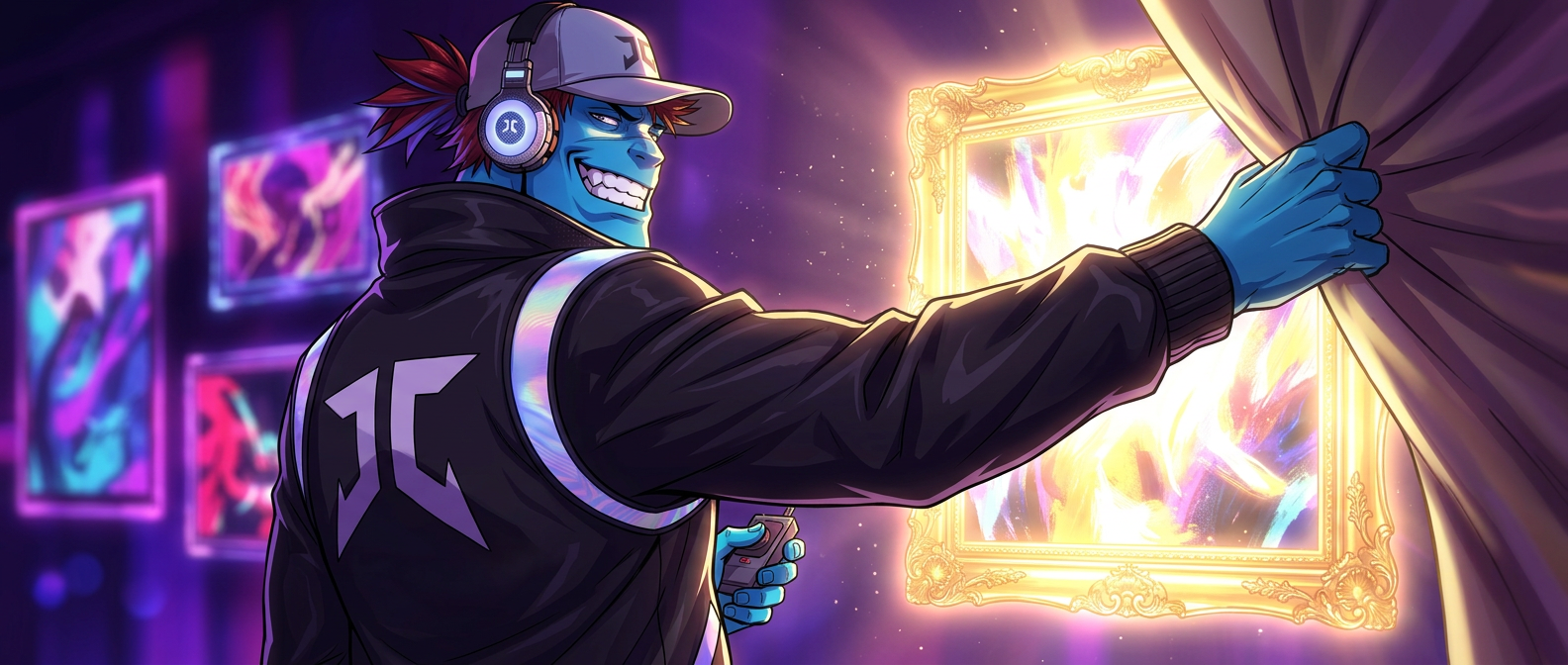
NFT art is the first mechanism in history that gave digital artwork verifiable scarcity, provable ownership, and a resale market, solving a problem that digital creators had faced since the internet began. Before NFTs, any digital file could be copied infinitely, and there was no meaningful way to sell the original. This guide covers what NFT art actually is at the technical and creative level, how it differs from regular digital art, how the global market emerged and matured, and why the economics of NFT art created an entirely new category in the art world.
What NFT Art Actually Is
NFT art is a digital artwork that has been minted as a non-fungible token on a blockchain. It can take any format including image, video, audio, animation, or generative output.
The NFT is not the image file itself. It is a token on the blockchain with a unique contract address, a token ID, and metadata that points to the artwork and records who owns it.
When someone buys an NFT artwork, they receive a blockchain record proving they hold that specific token. This ownership is visible to anyone at any time on a public block explorer.
The image or media file associated with an NFT may still be viewable by anyone on the internet. What the buyer owns is not exclusive viewing access but the verified, on-chain ownership of that specific token.
Artists who mint NFT art typically retain the copyright to the underlying work unless they explicitly transfer it. Owning the NFT is not the same as owning the copyright or the commercial reproduction rights.
NFT art can be a one-of-one piece where only a single token exists. It can also be a limited edition with a fixed number of tokens, or part of a generative collection where thousands of unique outputs are created from a shared algorithm.
Jirasan is an Ethereum-based NFT collection where each token represents a unique piece, with ownership recorded on the blockchain and verifiable by any connected wallet.
Our guide on what an NFT is and how it works covers ownership, token standards, and what the buyer actually receives on the blockchain when an NFT transaction is confirmed.
How NFT Art Differs from Regular Digital Art
Regular digital art is infinitely copyable. A downloaded image is identical to the original file, and there is no technical way to distinguish a copy from the source.
NFT art solves the copy problem by separating the media file from the ownership record. The file may still be copied by anyone, but only one wallet holds the on-chain token that the market recognizes as the verified ownership position.
Selling regular digital art online typically transfers a license or a file. It does not transfer provable, publicly verifiable ownership that any third party can confirm without asking the seller.
Selling NFT art transfers a blockchain record of ownership. The transaction history, the current holder, and the complete provenance of that token are all permanently visible on-chain.
Regular digital art earns the artist nothing on resale. Once a piece is sold, any future appreciation goes entirely to the new owner with no mechanism to route value back to the creator.
NFT art can be programmed to pay the original artist a percentage on every secondary sale through creator royalties. This changes the economic relationship between the artist and the work for the entire life of the token.
Regular digital art has no provenance trail. NFT art has a complete, immutable transaction history from the moment of minting that serves the same function as a certificate of authenticity in the physical art world.
Our guide on what minting an NFT means step by step explains how digital art is turned into a blockchain token and what the resulting ownership record looks like on-chain.
The Rise of NFT Art: From Experiment to Global Market
The foundations were built in 2017 with CryptoPunks and CryptoKitties, which demonstrated that digital items could have verifiable scarcity and real market value on the Ethereum blockchain. The concept remained niche through 2018 and 2019 while wallet software, marketplace tooling, and Ethereum infrastructure matured.
March 2021 was the inflection point. Beeple's "Everydays: The First 5000 Days" sold at Christie's for $69.3 million, placing NFT art in global mainstream media for the first time.
The 2021 bull market created an explosion of new collections, new artists, and new buyers. Bored Ape Yacht Club, Art Blocks generative collections, and thousands of independent artist drops entered the market in rapid succession.
OpenSea became the dominant general-purpose marketplace. Curated platforms like SuperRare and Foundation served the 1/1 digital art audience with a gallery-style selection process that kept the supply tightly controlled.
The market peaked in early 2022 and contracted sharply through 2022 and 2023. Sales volume fell significantly, speculative projects lost most of their value, and many participants exited the space.
The contraction was also a consolidation. Artists who had built genuine collector relationships and projects with real communities retained value, while collections that lacked substance did not recover.
By 2024 and into 2026, the NFT art market had matured into a smaller, more stable segment. The infrastructure, marketplaces, and royalty standards built during the boom remained fully operational and continued to serve serious collectors and artists.
Our guide on what OpenSea is and how it works covers the platform where the majority of NFT art trading has taken place since 2021, including how to browse collections and make purchases safely.
Why NFT Art Created a New Global Market
Before NFTs, digital artists had no mechanism to sell original works. Any digital file could be copied, and the concept of owning the original simply did not apply to digital art.
NFTs created digital scarcity for the first time by making specific tokens non-fungible and verifiably unique on a public blockchain. This gave digital art the same foundational property that makes physical art collectable.
Direct artist-to-collector sales became possible without any intermediary. An artist with a wallet and an internet connection could mint a work and sell it directly to a buyer anywhere in the world, with no gallery approval and no geographic restriction.
Secondary royalties changed the economics for artists permanently. In the traditional art world, an artist earns nothing when a work resells for ten times its original price. In the NFT art market, the creator earns a percentage of every future sale automatically through on-chain royalty enforcement.
Global buyer access changed the collector side of the market. Any person with a self-custodial wallet and the relevant cryptocurrency can purchase NFT art from any artist in any country, removing the barriers that had always limited who could participate in art collecting.
This combination of provable scarcity, direct sales, global access, and ongoing royalties created entirely new economic models for digital creators that had no equivalent in any prior art market.
The resulting market attracted traditional auction houses, major gallery representation for digital artists, and institutional collectors who had never previously engaged with digital art as a collectable category.
Jirasan is part of this market as an Ethereum-based collection where holders participate in a community built around the work and the ongoing development of the project.
Our guide on where to buy and sell NFTs in 2026 covers the leading marketplaces for NFT art, how their fees and chain support compare, and how to choose the right platform for any collection.
Conclusion
NFT art is a structural shift in how digital creative work is owned, sold, and valued, because the underlying mechanics of on-chain ownership and programmable royalties solved real problems that had no previous solution. This guide covered what NFT art actually is and how it separates the media file from the ownership record, how it differs from regular digital art in terms of provenance, scarcity, and resale economics, how the market emerged from early experiments in 2017 through the 2021 boom and subsequent maturation, and why the combination of scarcity, direct sales, global access, and creator royalties created an entirely new segment of the global art market. To start buying NFT art, our guide on how to buy NFTs step by step for first-time buyers covers every step from wallet setup to confirmed on-chain ownership.
Read Next
- What Is Minting an NFT? Meaning and Step-by-Step Basics
- NFT Marketplace Guide: Where to Buy and Sell NFTs in 2026
- How to Buy NFTs: Step by Step for First-Time Buyers
FAQ:
What is NFT art?
NFT art is a digital artwork minted as a non-fungible token on the blockchain, giving it a verifiable ownership record that distinguishes it from a regular digital file anyone can copy.
What is the difference between NFT art and regular digital art?
The difference between NFT art and regular digital art is that NFT art has a verifiable on-chain ownership record and a complete provenance history, while regular digital art has no mechanism for provable ownership and no way to distinguish the original from any copy.
What is the difference between owning an NFT artwork and owning the copyright to it?
The difference between owning an NFT artwork and owning the copyright to it is that owning the NFT gives the holder verified on-chain ownership of that specific token, while the copyright stays with the original artist unless explicitly transferred.
What is the difference between a 1/1 NFT artwork and a generative collection?
The difference between a 1/1 NFT artwork and a generative collection is that a 1/1 is a single token with no other editions, while a generative collection produces thousands of unique outputs from a shared algorithm, each with its own token ID.
What is the difference between the image file and the NFT token in NFT art?
The difference between the image file and the NFT token in NFT art is that the image file can be viewed or copied by anyone, while the NFT token is the on-chain record the blockchain recognizes as the verified ownership position for that work.
What is the difference between primary and secondary sales in NFT art?
The difference between primary and secondary sales in NFT art is that a primary sale is the first time the artist sells the minted work to a buyer, while a secondary sale is any resale between collectors from which the artist may earn royalties.
What is the difference between NFT art and physical art as collectables?
The difference between NFT art and physical art as collectables is that NFT art exists on the blockchain with verifiable provenance and global liquidity, while physical art requires storage and authentication with no built-in royalty mechanism for the creator on resale.
What is the difference between a curated NFT art platform and an open NFT marketplace?
The difference between a curated NFT art platform and an open NFT marketplace is that a curated platform reviews and approves artists before any work can be listed, while an open marketplace allows anyone to mint and list without prior review.
What is the difference between how NFT art royalties work and how traditional art resale royalties work?
The difference between how NFT art royalties work and how traditional art resale royalties work is that NFT royalties are programmed into the token and paid automatically on every secondary sale, while traditional resale royalties depend on voluntary compliance or legal frameworks that vary by country.
What made NFT art into a global market?
NFT art became a global market because it combined digital scarcity, direct artist-to-collector sales, borderless access, and programmable royalties for the first time, creating economic conditions for digital art collecting that had no equivalent before blockchain infrastructure existed.