What Is Web3? The Internet's Next Chapter Explained
Web3 is a decentralized internet built on blockchain where users own their data and digital assets. This guide explains what Web3 is, how it evolved, the technologies behind it, and where it stands in 2026.
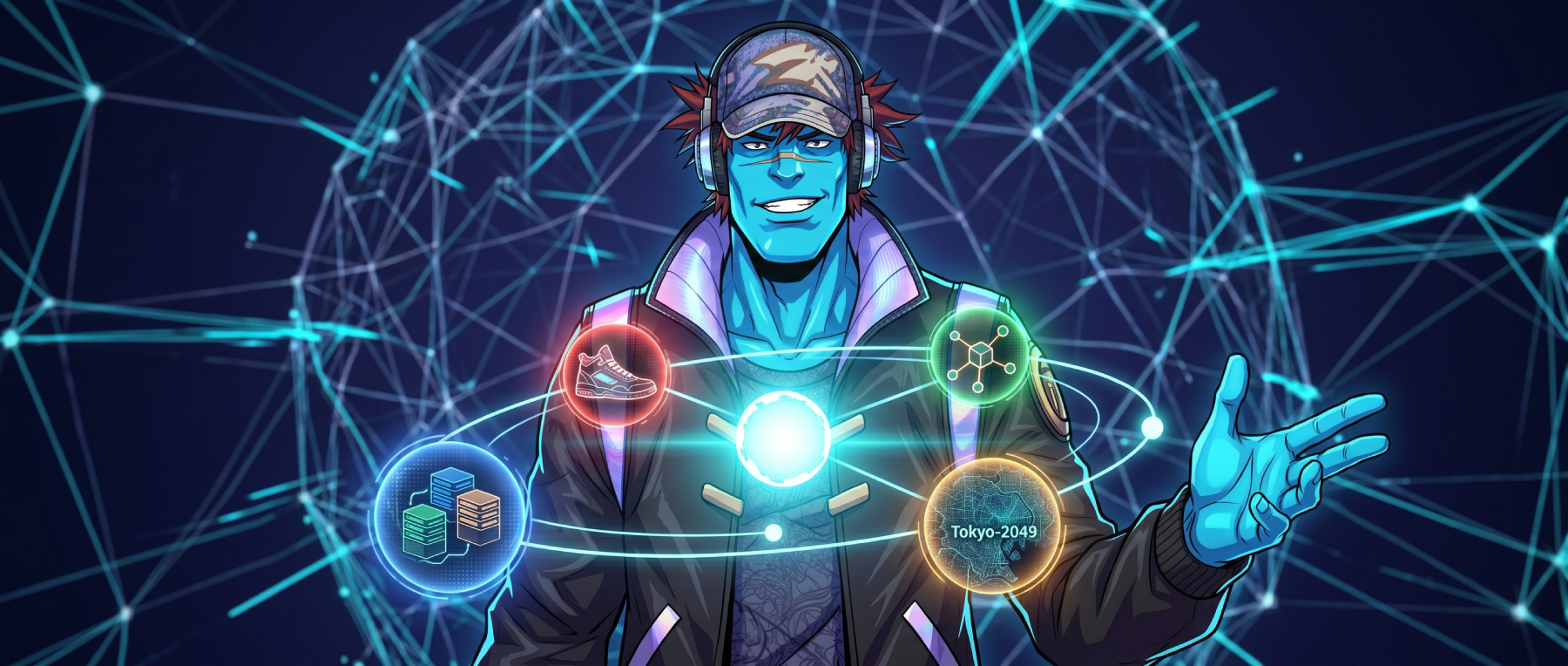
A clear guide to what Web3 is, how it evolved from the web we already know, the technologies that power it, and where it stands as a real and usable thing in 2026.
Web3 is the most significant shift in how the internet works since social media reshaped global communication in the 2000s. It is not a new platform or a new app. It is a fundamental change in who controls the internet and what users actually own inside it.
Web3 is a vision for a decentralized internet built on blockchain technology, where users own their data, their assets, and their digital identity instead of handing them to platforms. This guide covers what Web3 actually means, how it evolved from the web that came before it, the core technologies that power it, and where it stands in 2026.
What Web3 Actually Means: Core Definition and Vision
Web3 is an internet where ownership and control sit with users, not with platforms. The core principle is decentralization: power distributed across a network rather than held inside a company.
In the current internet, your account belongs to the platform. A social media company can ban you, a streaming service can remove content you paid for, and a game studio can shut down its servers and take your purchases with them.
In Web3, ownership is recorded on a blockchain. That record cannot be altered or taken away by any company, because it does not live inside their system.
The ownership layer is what makes Web3 genuinely new. Users can hold digital assets, build identities, and participate in communities without a platform acting as gatekeeper or intermediary.
Communities like the Jirafam are a real-world example of this model working today. Membership is tied to an NFT held in a personal wallet, not to a platform account that can be suspended or deleted.
NFTs are one of the most important ownership tools in the Web3 ecosystem. Our complete NFT beginner's guide explains what they are, how they work, and how to evaluate them.
Web1, Web2, and Web3: How the Internet Evolved
The internet has gone through three distinct phases. Each one solved the core problem of the phase before it, and each one introduced new problems of its own.
Web1 ran from the early 1990s to the mid-2000s. It was a read-only internet: static pages you could browse but not interact with. You could look things up, but you could not create, comment, or share.
Web2 began in the mid-2000s and is still the dominant internet today. It introduced the read-write web: social media, user-generated content, and the platforms that billions of people use every day.
The problem with Web2 is who controls the infrastructure. Users create the content, but the platforms own it, monetize it, and can remove access to it without warning or appeal.
Web3 is the read-write-own phase. Users can create content, publish it, and retain verifiable ownership of their digital assets and identities across the web.
The progression is not a replacement. Web1 and Web2 still exist and function. Web3 builds a new ownership layer on top of the existing internet, one where what you hold cannot be taken from you.
NFTs are one of the clearest examples of Web3 ownership in action. Read our simple NFT explanation for beginners to see how digital ownership works at the asset level.
Core Technologies and Features That Define Web3
Web3 is not a single product or platform. It is a collection of technologies that work together to make decentralized ownership possible.
The blockchain is the foundation. It is a public digital ledger that records ownership and transactions permanently, without needing a central authority to manage or verify it.
Smart contracts are self-executing pieces of code that live on the blockchain. They enforce agreements automatically without a middleman, and cannot be changed once deployed.
A crypto wallet is the Web3 equivalent of a login. It holds your digital identity and assets across every platform, and only you control access to it.
Tokens and NFTs are how ownership is represented and transferred in Web3. A token is a verifiable record that you hold something, whether that is currency, a community membership, or a unique digital asset.
DAOs, or decentralized autonomous organizations, are how Web3 communities make collective decisions. Members vote using tokens, and outcomes are executed automatically by smart contracts with no central leadership required.
Decentralized applications, called dApps, run on blockchain infrastructure instead of company-owned servers. No single company can shut them down or alter their rules unilaterally.
NFTs sit at the center of Web3 ownership. Our guide on what NFT stands for explains the technology in detail and how it fits into the broader Web3 ecosystem.
Why Web3 Matters: Use Cases, Benefits, and Current Reality in 2026
Web3 is not theoretical. Parts of it are already working, used daily by millions of people, and generating real value for creators, collectors, and communities.
Digital ownership is the most immediate use case. An NFT held in a wallet is an asset you own in the same way you own a physical object, with a verifiable on-chain record that no platform can revoke.
For creators, Web3 removes the platform as a gatekeeper. Artists can sell directly to buyers, earn royalties automatically on resales, and retain control of their work without depending on a label, gallery, or algorithm.
For communities, Web3 replaces follower counts with token-based membership. Being part of a project like Jirasan means holding a verified asset, not just clicking a follow button on someone else's platform.
DeFi, or decentralized finance, lets people lend, borrow, earn yield, and trade without a bank or broker. It is one of the largest and most active sectors in Web3 by transaction volume.
The honest reality in 2026 is that Web3 has delivered on ownership and community but still struggles with user experience. Setting up a wallet, managing gas fees, and avoiding scams remain real barriers for most newcomers.
The projects worth watching are the ones closing that gap: building interfaces as simple as Web2 while keeping the ownership benefits that make Web3 worth using. Our complete NFT beginner's guide is the best practical starting point if you want to take your first step into this space.
Conclusion
Web3 has already changed the rules of digital ownership, and the communities and projects building on it today are laying the foundation for an internet that works for users rather than for platforms.
This guide covered the definition and vision of Web3, how it evolved from the static pages of Web1 through the platform-dominated era of Web2, the core technologies that power it, and where it stands as a real and usable thing in 2026. If you want to take a practical first step into this space, our simple NFT explanation for beginners is the place to start.
Read Next
- What is an NFT? A Complete Beginner's Guide for 2026
- What Does NFT Stand For? The Full Explanation
- What Is an NFT? Simple Explanation for Beginners
FAQ:
What is Web3?
Web3 is a decentralized internet built on blockchain technology where users own their data, digital assets, and online identities instead of platforms owning them.
What is the difference between Web2 and Web3?
The difference between Web2 and Web3 is that Web2 is controlled by platforms that own user data and content, while Web3 gives ownership and control directly to users through blockchain technology.
What is the difference between Web3 and blockchain?
The difference between Web3 and blockchain is that blockchain is one of the core technologies that powers Web3, while Web3 is the broader vision of a decentralized internet built using blockchain and related tools.
What is the difference between Web3 and crypto?
The difference between Web3 and crypto is that crypto refers to digital currencies and tokens, while Web3 is the larger internet ecosystem that uses crypto and blockchain as its underlying infrastructure.
What is the difference between Web3 and the metaverse?
The difference between Web3 and the metaverse is that Web3 is a set of technologies and principles about decentralized ownership, while the metaverse refers to immersive virtual environments that may or may not use Web3 technology.
What is a Web3 wallet?
A Web3 wallet is a tool that holds your digital assets and identity on the blockchain, giving you access to Web3 applications without a traditional account or login.
Is Web3 actually decentralized?
Web3 is partially decentralized in practice, as much of its infrastructure still relies on centralized tools, though the ownership layer provided by blockchain is genuinely distributed.
Why does Web3 matter in 2026?
Web3 matters in 2026 because digital ownership, creator monetization, and token-based communities are all functioning and growing, even as the broader ecosystem continues to mature.